Blog

  • บริการถมดิน บ่อดินมาเอง ราคาถูก

    บริการงานถมดิน ในเขตกรุงเทพฯ และ ปริมณฑล
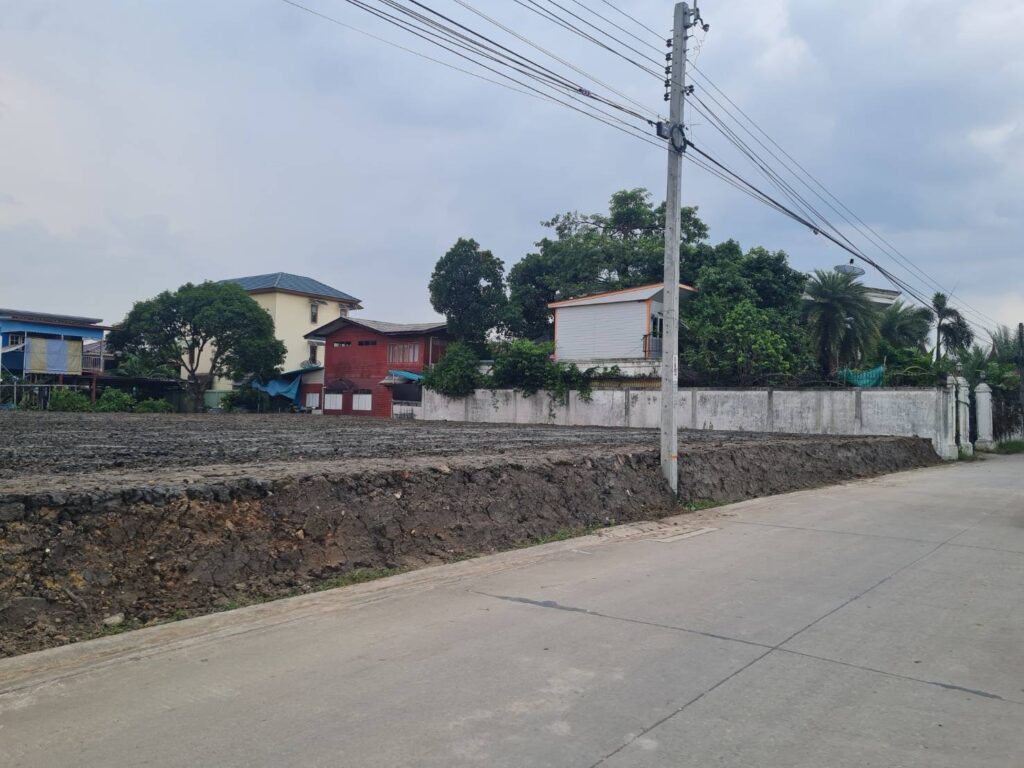
    หน้าดิน สวยๆ
    มีสองแบบ
    📌แบบเทอย่างเดียว
    📌ดินพร้อมคนขน
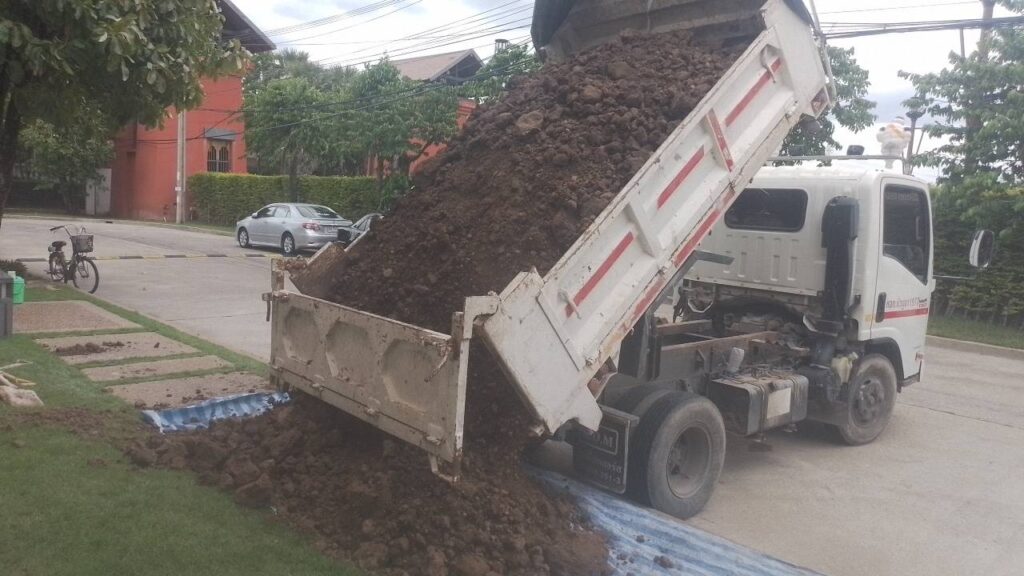
    https://www.บ่อดิน.com

    บ่อดินในกรุงเทพ และ บริการงานถมดินสำหรับท่านเจ้าของที่ดิน ในกรุงเทพ

    • เป็นผู้รับเหมาโดยตรง ไม่ใช่นายหน้า ยินดีรับงานตรงจากเจ้าของที่ดิน
    • ไม่ต้องวางมัดจำ ทำงานก่อนแล้วค่อยแบ่งจ่ายตามงวดงาน (เช่น เครื่องจักรเข้าลงดินได้ 50% ค่อยจ่ายงวดแรก)
    • ประสบการณ์สูง 10-20 ปี และมีเครื่องจักรครบวงจรเป็นของตัวเอง (รถบรรทุก, แผ่นเหล็ก, แมคโคร, แทรกเตอร์)
    • บริการลงพื้นที่วัดที่ดินด้วยกล้องวัดระดับ และประเมินราคาให้ฟรี


    ข้อมูลเนื้อหาและจุดเด่นเดิมของเว็บไซต์ที่คุณมีอยู่แล้วจากแหล่งข้อมูล มาจัดวางใหม่ ผสานกับ หลักการออกแบบเว็บไซต์ (Web Design & UX/UI) ซึ่งเป็นข้อแนะนำเพิ่มเติมจากภายนอก ดังนี้ครับ:

    1. ชูจุดขาย (Selling Points) ให้โดดเด่นตั้งแต่หน้าแรกเพื่อสร้างความเชื่อมั่น จากข้อมูล เว็บไซต์ของคุณมีจุดแข็งที่เอื้อต่อการตัดสินใจของลูกค้ามากๆ แต่ควรดึงเนื้อหาเหล่านี้มาทำเป็นแบนเนอร์ หรือไอคอนกราฟิกใหญ่ๆ ในหน้าแรกให้ลูกค้าเห็นทันที ได้แก่:

    • เป็นผู้รับเหมาโดยตรง ไม่ใช่นายหน้า ยินดีรับงานตรงจากเจ้าของที่ดิน
    • ไม่ต้องวางมัดจำ ทำงานก่อนแล้วค่อยแบ่งจ่ายตามงวดงาน (เช่น เครื่องจักรเข้าลงดินได้ 50% ค่อยจ่ายงวดแรก)
    • ประสบการณ์สูง 10-20 ปี และมีเครื่องจักรครบวงจรเป็นของตัวเอง (รถบรรทุก, แผ่นเหล็ก, แมคโคร, แทรกเตอร์)
    • บริการลงพื้นที่วัดที่ดินด้วยกล้องวัดระดับ และประเมินราคาให้ฟรี

    2. ปรับรูปแบบการนำเสนอผลงาน (Portfolio) ให้ดูง่ายและดึงดูดใจ ปัจจุบันเว็บไซต์มีการเขียนรีวิวผลงานที่ละเอียดและเห็นภาพขั้นตอนการทำงานชัดเจน (เช่น งานถมที่พุทธมณฑลสาย 4, ลาดกระบัง 46, คู้บอน 31) ซึ่งดีมากต่อระบบค้นหา (SEO) แต่อาจจะยาวเกินไปสำหรับลูกค้าที่ต้องการดูผลลัพธ์อย่างรวดเร็ว แนะนำให้:

    • (ข้อแนะนำจากภายนอก) ใช้ภาพเปรียบเทียบ ก่อนทำ-หลังทำ (Before/After) ควบคู่กันให้เห็นความเปลี่ยนแปลงชัดเจน เนื่องจากเนื้อหาเดิมของคุณมีภาพและข้อมูลสภาพก่อนทำ (เช่น ที่ดินมีน้ำท่วมขัง เป็นเลน รื้อถอนบ้านเก่า) และหลังทำไว้อยู่แล้ว
    • ทำสรุปข้อมูลโปรเจกต์สั้นๆ เป็นข้อๆ ก่อนเริ่มบทความ เช่น ขนาดพื้นที่, ชนิดดินที่ใช้ (เช่น ดินถมทั่วไป, ดินซีแลค, หินเกล็ด), ระยะเวลาทำงาน และความสูงที่ถม แล้วจึงใส่ปุ่ม “อ่านรายละเอียดขั้นตอนการทำงาน” สำหรับคนที่สนใจ

    3. เพิ่มปุ่มกระตุ้นการตัดสินใจ (Call to Action) ให้เข้าถึงง่าย ข้อมูลการติดต่อของคุณคือ คุณเกรียงไกร เบอร์โทร 087-981-2102, Line ID: 0879812102 และ Email: tomtee2013@gmail.com โดยให้บริการทุกวัน 8.00 – 22.00 น.

    • (ข้อแนะนำจากภายนอก) แนะนำให้สร้างปุ่ม “แอดไลน์” หรือปุ่ม “โทรออก” แบบลอยติดหน้าจอ (Floating Button) หรือวางไว้ท้ายสุดของทุกบทความ เพื่อให้ลูกค้าที่กำลังอ่านผลงานเกิดความสนใจ แล้วสามารถกดติดต่อได้ทันที
    • เน้นข้อความเชิญชวนบนปุ่มให้ตรงกับจุดแข็ง เช่น “สนใจประเมินราคาฟรี โทร 087-981-2102” หรือ “นัดหมายดูพื้นที่ฟรี คลิก”

    4. จัดระเบียบหมวดหมู่ “เกร็ดความรู้การถมที่” เพื่อเสริมความเป็นผู้เชี่ยวชาญ เว็บไซต์ของคุณมีบทความให้ความรู้ที่ตอบข้อสงสัยลูกค้าได้ดีมาก เช่น ดินชนิดไหนเหมาะถมสร้างบ้าน, ถมนานแค่ไหนถึงสร้างได้, ฮวงจุ้ยที่ดี, หรือการคำนวณพื้นที่เบื้องต้น

    • (ข้อแนะนำจากภายนอก) ควรจัดหมวดหมู่นี้ในรูปแบบของ Blog ที่มี ภาพปก (Thumbnail) สวยๆ สบายตา มีการจัดย่อหน้าและหัวข้อให้เป็นระเบียบ จะช่วยให้เว็บไซต์ดูเป็นมืออาชีพ และยกระดับให้แบรนด์ดูเป็น “ผู้เชี่ยวชาญตัวจริง” ในสายตาลูกค้า

    สรุป: เว็บไซต์ tomtee.com มีเนื้อหาเชิงลึกและประสบการณ์การทำงานที่ น่าเชื่อถือมากอยู่แล้ว สิ่งที่คุณควรโฟกัสคือการนำจุดแข็งเรื่อง การไม่เก็บเงินมัดจำล่วงหน้า, การรับเหมาตรงไม่ผ่านนายหน้า, และภาพหน้างานจริงที่ชัดเจน มาจัดเลย์เอาต์ (Layout) ใหม่ให้โดดเด่น อ่านง่ายขึ้น และติดต่อได้สะดวกที่สุด จะช่วยเปลี่ยนผู้เข้าชมเว็บไซต์ให้กลายมาเป็นลูกค้าที่สนใจสั่งซื้อได้อย่างแน่นอนครับ

    Well-chosen examples do more than decorate an explanation: they show how an abstract principle operates under real conditions. In education, a worked example can reduce cognitive load by making each decision visible, while a contrasting case reveals where the same rule no longer applies. A clear test case demonstrates this distinction by showing how a model performs with ordinary inputs, edge conditions, and incomplete information. The surrounding explanation should identify the relevant variables, since examples become misleading when readers cannot tell which details matter and which are incidental. Practical writing therefore benefits from a sequence that moves from a simple illustration to a realistic application and then to a brief exception. This structure supports understanding without pretending that one case represents every possible outcome.

  • ตัวอย่างงานทำรั้วลวดหนาม

     การล้อมรั้วลวดหนาม

            รั้วลวดหนาม มักจะถูกใช้สำหรับการกั้นอาณาเขตที่เป็นพื้นที่โล่งๆ หรือพื้นที่เกษตร เพราะใช้วัสดุน้อย ต้นทุนไม่สูงมาก หากติดตั้งถูกวิธีก็ใช้ได้นานหลายปี

        วัสดุที่ใช้ในการทำรั้วลวดหนาม

            1.ลวดหนาม

            2.เสา เสามีหลายประเภท ขึ้นอยู่กับเจ้าของที่ดินจะเลือกใช้

                -เสาปูน นิยมใช้กันมากที่สุด มีขายตามร้านขายอุปกรณ์ก่อสร้างทั่วไป

                -เสาไม้ไผ่หรือเสาไม้ อาจจะหาง่ายในบางพื้นที่  

              -เสาเหล็ก อาจเกิดสนิมและหักงอได้ง่าย

            3.กิ๊บรัดลวดหนาม


                ก่อนจะเริ่มคำนวณจำนวนเสาที่ใช้ เราจะต้องทราบระยะห่างระหว่างเสาก่อน โดยระยะห่างระหว่างเสาที่เหมาะสมจะอยู่ที่ 2-2.5 เมตร หากระยะห่างน้อยกว่านี้จะทำให้สิ้นเปลืองวัสดุและใช้เวลาทำมากเกินความจำเป็นหรือหากมากกว่านี้จะทำให้ลวดหนามหย่อนง่าย แนวรั้วไม่แข็งแรง

                                                                   ที่ดินก่อนสร้างรั้วลวดหนาม


            ที่ดินแปลงนี้ มีความยาวของด้านที่ต้องการสร้างรั้วลวดหนามทั้งหมด 36 เมตร ใช้ระยะห่างระหว่างเสาแต่ละเสา 2 เมตร ใช้เสา 19 ต้น ใชเเสาขนาด 3 นิ้ว ยาว 2 เมตร ซึ่งสามารถคำนวณได้จากสูตร ดังนี้

                                    (ความยาวของแนวรั้ว(เมตร)/ระยะห่างระหว่างเสา)+1=จำนวนเสาที่ใช้

                                     จำนวนเสาที่ใช้ล้อมรั้วลวดหนามที่ดินแปลงนี้ คือ   (36/2)+1 = 19 ต้น

            เมื่อได้จำนวนเสาที่ต้องใช้แล้ว ก็เริ่มขั้นตอนการล้อมรั้วลวดหนามกันได้เลย ขั้นตอนแรกขุดหลุมลึก 60-70 เซนติเมตรเพื่ออฝังเสา โดยความลึกของหลุมจะอยู่ที่ 60-70 เซนติเมตร นั่นก็คือ 2 ใน 3 ของความยาวเสา เช่น เสายาว 2 เมตร ควรขุดหลุมลึก 60-70 เซนติเมตร เพื่อให้ทนต่อแรงดึงของลวดหนามได้ดี ต่อมาก็เทคอนกรีตลงไปในหลุม เพื่อเพิ่มความแข็งแรงให้กับเสา ทิ้งไว้ให้คอนกรีตแข็งตัวแล้วใช้เชือกขึงนำทาง โดยขึงจากต้นแรกไปถึงต้นสุดท้ายเพื่อกำหนดแนวรั้ว ทำให้เสาทุกต้นเรียงกันเป็นเส้นตรงและแนวระดับเท่ากัน


    ขุดหลุมฝังเสาปูนแล้วเทคอนกรีต


    เพิ่มเสาค้ำเพื่อเพิ่มความแข็งแรง

            จากรูปจะเห็นว่า เราได้เพิ่มเสาค้ำที่เสามุม เนื่องจากเสานี้จะรับแรงดึงถึง 2 ทิศทาง ดังนั้นเราจึงเพิ่มเสาค้ำเพื่อช่วยเพิ่มความแข็งแรงให้กับเสาต้นนี้ ส่วนเสาต้นอื่นๆ อาจจะมีเสาค้ำเพิ่มอีกได้ หากเจ้าของที่ดินต้องการเพิ่มความแข็งแรงให้กับรั้วมากขึ้น


                                                                            การขึงลวดหนาม


                                                                                             การตอกกิ๊บรัดลวดหนาม


                การขึงลวดหนาม เมื่อเราตั้งเสาครบแล้ว ก็จะทำการขึงลวดหนามโดยเสาแต่ละต้นจะมีรูไว้สำหรับตอกกิ๊บรัดลวดหนามไว้อยู่แล้ว เมื่อเราขึงลวดหนามมาตรงรูบนเสาแล้วก็ใช้ค้อนตอกกิ๊บรัดลวดหนามเอาไว้ กิ๊บรัดลวดหนามจะมีลักษณะเป็นลวดโค้งๆ คล้ายตัวยู เราสามารถตอกกิ๊บคร่อมตัวลวดหนามได้เลย ทำแบบนี้บนเสาทุกต้นเป็นแนวไปตามแนวความยาวของรั้ว จากรูปจะเห็นว่าที่ดินแปลงนี้ขึงลวดหนามทั้งหมด 8 เส้น ซึ่งถือว่าแข็งแรงมากๆ

             การล้อมรั้วลวดหนามบนที่ดินแปลงนี้ เจ้าของต้องการความแข็งแรงและไม่ต้องการให้ใครเข้าไปยังพื้นที่ เลยล้อมรั้วลวดหนามถึง 8 เส้นและไม่มีประตูเข้าออก ซึ่งทุกอย่างเป็นความต้องการของลูกค้าทั้งหมด เรายินดีทำตามทุกความต้องการของลูกค้า


  • How to Evaluate Online Information Before You Rely on It

    The internet makes research faster, but speed can also make mistakes easier to spread. A polished article, an authoritative-looking chart, or a confident social media post may still contain outdated, incomplete, or misleading information. Evaluating online material does not require specialist training in every subject. It does require a consistent method for checking who produced the information, why it exists, and whether its claims are supported by evidence.

    Start with the Source

    The first step is to identify the person, organization, or publication behind a piece of content. Look for an author’s name, professional background, editorial policy, and contact information. Anonymous material is not automatically false, but it offers fewer clues about accountability. A source that clearly explains its standards gives readers more reason to examine its claims seriously.

    It is also useful to distinguish between primary and secondary sources. A government dataset, research paper, court record, or direct interview may provide original evidence. A news report or commentary article may interpret that evidence for a broader audience. Both can be useful, but readers should know which role a source is performing before treating its conclusions as established fact.

    Examine the Evidence

    Strong claims should be matched with proportionate support. Pay attention to whether an article links to original research, quotes documents accurately, or provides enough detail for its conclusions to be checked. A statistic without a date, sample size, or definition may sound precise while conveying very little. Images and charts also need scrutiny because selective scales and missing context can alter their meaning.

    A quick test of a source is to compare one important claim with information from an independent, reputable publication. Agreement does not prove that a claim is correct, but major discrepancies reveal where further investigation is needed. When possible, consult the original document rather than relying solely on a summary.

    Check Dates and Context

    Online information can remain visible long after its relevance has changed. An article written during an early stage of an emergency may accurately describe conditions at the time but become misleading when shared months later. Check the publication date, update history, and whether the facts depend on laws, prices, scientific findings, or public guidance that may have changed.

    Context matters just as much as timing. A statement may be technically accurate yet misleading if it omits important qualifications. A single percentage can appear dramatic without showing the baseline, while an isolated quotation may conceal the surrounding argument. Reading beyond a headline helps reveal whether the full material supports the impression created by a short excerpt.

    Recognize Persuasive Techniques

    Information is often presented alongside a commercial, political, or ideological purpose. That purpose does not automatically invalidate the material, but it can influence which facts receive attention. Watch for emotionally charged language, urgent demands to share, unsupported appeals to authority, and claims that opponents are hiding a simple truth. Reliable reporting can still be persuasive, yet it normally separates evidence from opinion and acknowledges uncertainty.

    Visual design can also create an impression of credibility. Professional graphics, institutional logos, and technical vocabulary are not substitutes for verifiable evidence. Readers should judge the reasoning and documentation rather than the appearance of a page.

    Use a Repeatable Process

    When a claim matters, record the source, date, central evidence, and any significant limitations. Then compare it with at least two independent sources that do not merely repeat the same original report. If disagreement remains, describe the uncertainty instead of forcing a definite conclusion.

    This approach is especially important for health, finance, public safety, and civic decisions, where inaccurate information can have serious consequences. Careful evaluation does not mean distrusting everything online. It means slowing down long enough to separate documented knowledge from speculation, interpretation, and persuasive presentation.